
Where is LNG Fuel Headed After the Delay of IMO’s Carbon Pricing?
[kadence_subtitle]
Industry Insight
Whether or not the International Maritime Organization’s (IMO) “Net Zero Framework” (NZF) passes anytime soon, LNG remains one of the most viable pathways for the shipping industry to achieve its decarbonization transition. Thanks to advanced technologies like X-DF, it also delivers ultra-low air pollution emissions right now.
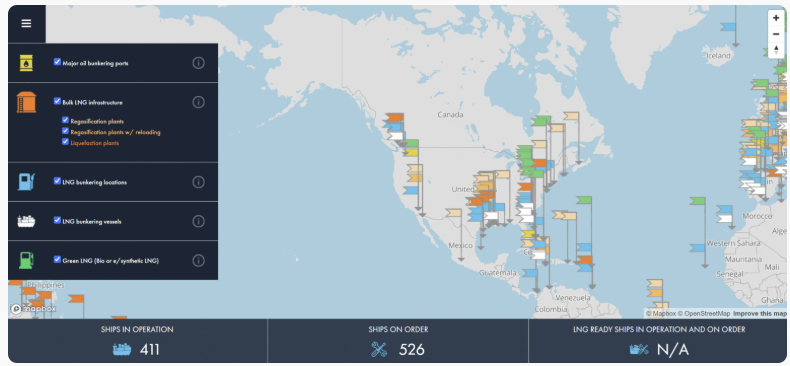
At the special session of the IMO Marine Environment Protection Committee (MEPC) held in mid-October, the maritime industry had high hopes for the official adoption of the Net Zero Framework (NZF). Engine designer WinGD was among its strong supporters—believing that only by incentivizing the production and adoption of clean fuels can the industry simultaneously hit the IMO’s strict emission targets and broader global climate goals.
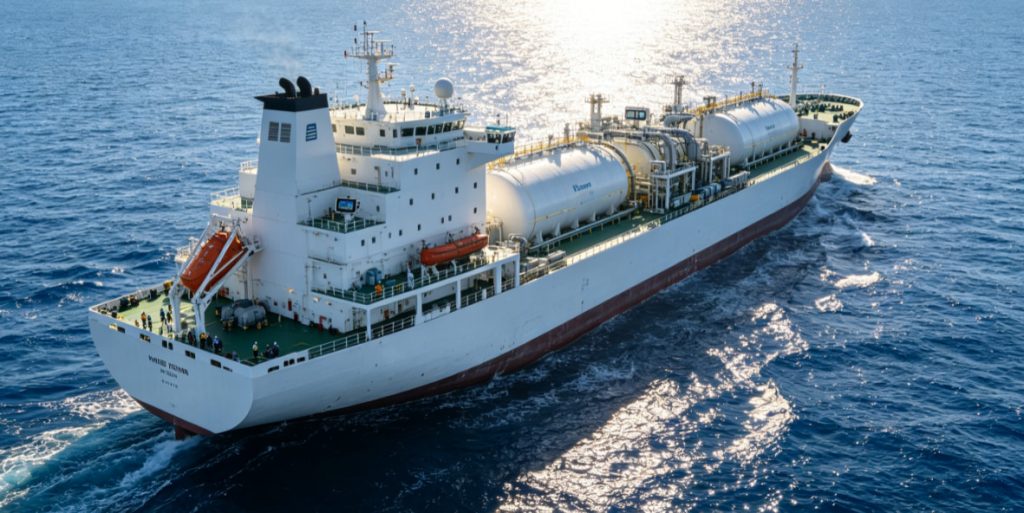
The Future of LNG Beyond the Net Zero Framework
Some critics claim that the debate surrounding the NZF implies the era of LNG fuel or dual-fuel LNG technology is coming to an end. But the reality tells a completely different story. Just like WinGD’s X-DF-A ammonia-fueled engines and X-DF-M methanol-fueled engines, X-DF LNG dual-fuel engines are fully capable of running on zero or near-zero carbon drop-in alternative fuels.
For vessel operators choosing the LNG pathway, these alternatives include bio-methane and e-methane. Produced by capturing carbon and utilizing renewable electricity, these green fuels can be blended into X-DF engines at any ratio instantly—without requiring any costly mechanical modifications to the ship.
Why the Policy Delay Boosts LNG’s Commercial Appeal
If the NZF had passed with aggressive reduction targets and penalty mechanisms, it would have accelerated the industry’s shift toward bio-methane, while providing substantial rewards to jumpstart the production of synthetic e-methane. However, the postponement of this regulatory framework simply pushes the transition from fossil-based LNG to renewable alternative fuels further down the road.
Because of this temporary regulatory standstill, more shipowners are actively considering LNG propulsion for their newbuild fleets. In the absence of a global carbon pricing mechanism and immediate fiscal incentives for e-fuels, LNG remains the most cost-competitive, widely available, and technologically mature alternative marine fuel on the market today. Even when running on conventional fossil LNG, vessels can significantly close the gap toward the IMO’s interim goal of a 30% reduction in greenhouse gas (GHG) emissions by 2030—a target that remains firmly in place despite the NZF vote delay.
Proven Market Success and Continuous Technical Innovation
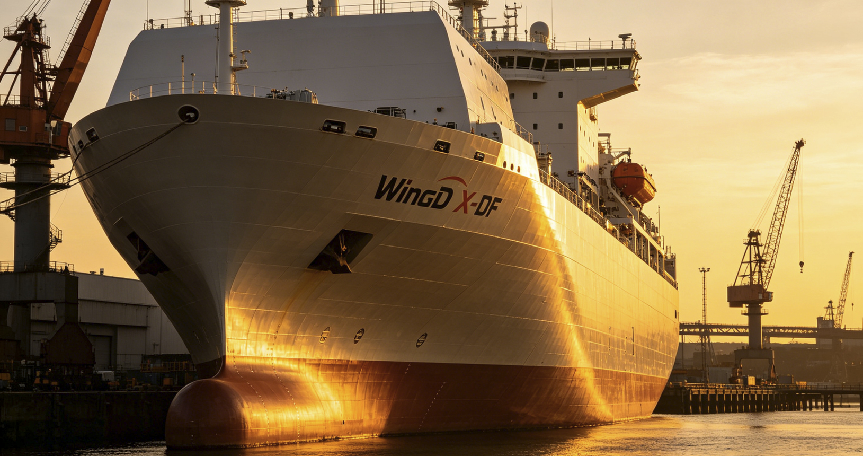
Since WinGD introduced the X-DF concept to the market in 2016, over 900 engines have been secured by global operators. Accumulating more than 8 million operating hours in real-world shipping conditions, WinGD has continuously integrated innovative technologies to maximize fuel efficiency and minimize emissions.
Take methane slip as a key example: in less than a decade, WinGD has slashed methane emissions by 60% compared to first-generation dual-fuel engines through technologies like iCER (Intelligent Control by Exhaust Recycling), VCR (Variable Compression Ratio), and other strategic design refinements. Combined with its remarkably low fuel consumption, the X-DF engine delivers an overall GHG profile that outperforms existing high-pressure LNG engines across multiple vessel types. In a wide range of operational scenarios, thanks to lower upfront capital expenditure (CAPEX) and reduced operating costs (OPEX), the lifecycle cost of an X-DF system remains lower than high-pressure alternatives—even when factoring in potential future IMO penalties.
Mitigating the Risks of Fragmented Regional Regulations
The regulatory future remains unpredictable. If a unified global carbon framework fails to materialize, a fragmented patchwork of regional regulatory frameworks is highly likely to emerge. In fact, port authorities in several major regions are already taking independent actions to safeguard local air quality. Consequently, future regional policies are expected to expand their regulatory scope far beyond greenhouse gases, cracking down heavily on traditional air pollutants such as sulfur oxides (SOx), nitrogen oxides (NOx), and particulate matter (PM).
Under such localized compliance pressures, the X-DF platform offers a decisive commercial edge, boasting the cleanest air pollution profile among all contemporary LNG dual-fuel engines. While current IMO global standards do not fully reward the advanced low-emission capabilities of X-DF technology, any upcoming regional mechanisms that levy fees on local air pollution will instantly translate this ultra-clean performance into tangible, bottom-line financial savings for vessel operators.
Conclusion: A Reliable Architecture for an Evolving Era
Ultimately, the enforcement of a Net Zero Framework will not mark the end of LNG; conversely, its current delay only strengthens LNG’s near-term commercial logic. WinGD’s decade-long refinement of the X-DF platform ensures that shipowners can operate at peak cost-efficiency today—whether they continue utilizing conventional fossil LNG or smoothly transition to cleaner, renewable blends. This proven engine architecture provides maritime businesses with a resilient asset capable of slashing operational costs while seizing new opportunities to improve global air quality.