
Causes and Solutions for High Exhaust Temperature in Marine Diesel Generators
[kadence_subtitle]
Exhaust temperature is one of the most telling indicators of how well a marine diesel generator is performing. It reflects cylinder load and combustion quality in real time, which is why engine room crews keep a close eye on it during routine operations. When exhaust temperatures start creeping up, the thermal load on the engine increases. Cylinders, pistons, and valves run hotter, operating conditions deteriorate, and the unit becomes less reliable. Over time, this shortens the equipment’s service life. In severe cases, it can even pose a direct threat to the vessel’s safe navigation. High exhaust temperature is a relatively common fault in marine diesel generators. The early warning signs may be subtle, but if marine engineers don’t take them seriously or fail to act quickly, what seems like a minor issue can escalate into serious mechanical failures.
The root causes of high exhaust temperature in marine diesel generators are varied and often complexity. Broadly speaking, they fall into four categories: fuel system issues, intake and exhaust system abnormalities, wear of critical components, and external operating factors. But if you trace most cases back to their source, they usually boil down to one of two aspects—either the fuel isn’t burning properly, or the cylinder isn’t getting enough air or isn’t scavenging efficiently.
I. Fuel System Issues
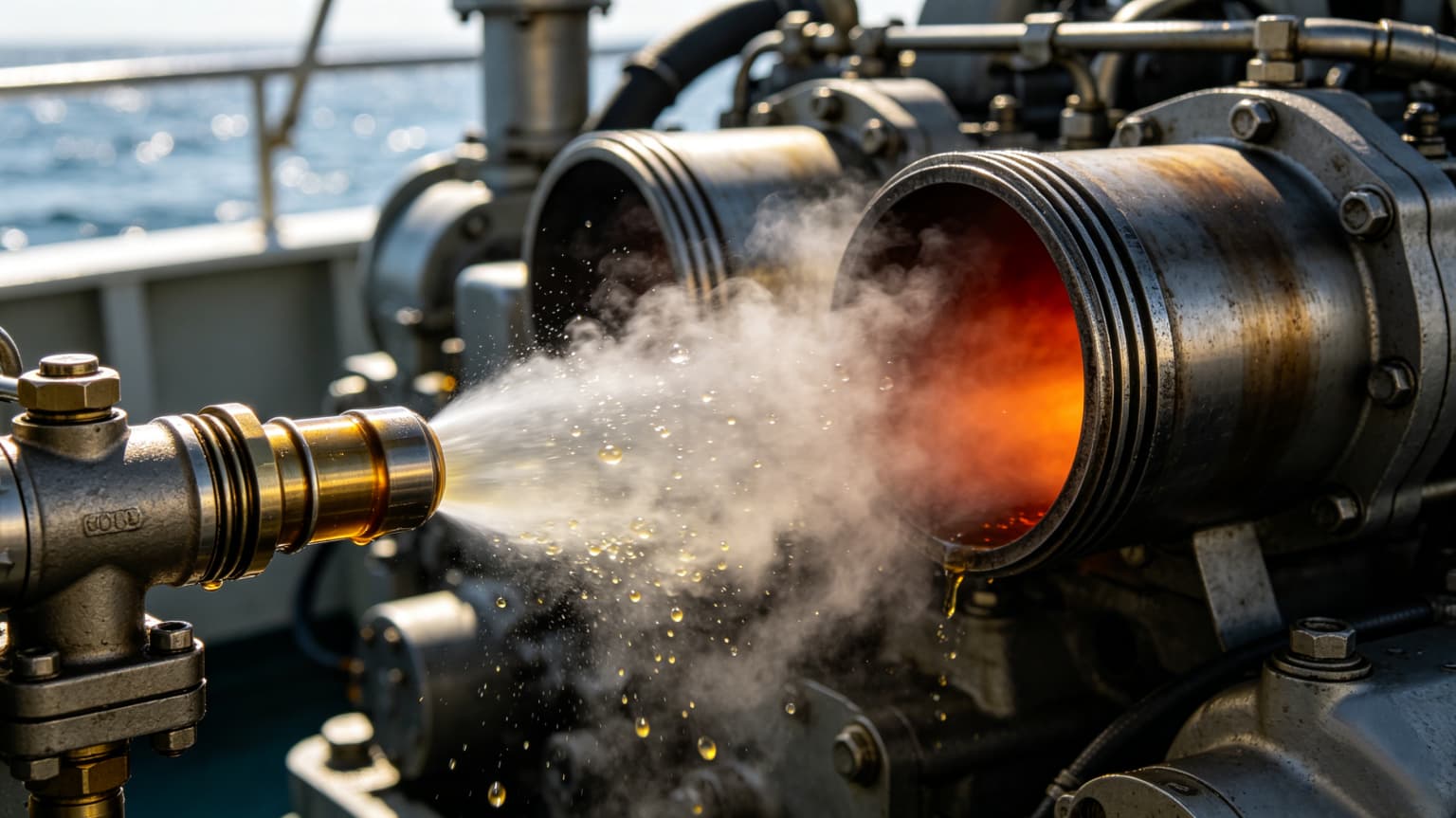
(1) When a marine diesel generator runs on heavy fuel oil and operates below its rated load, fuel flow tends to be low and heat loss becomes excessive. This often results in oil temperatures that are too low or viscosity that’s too high—both of which compromise fuel atomization. Under these conditions, the fuel injected into the cylinder doesn’t burn completely or in time. Combustion carries over into the expansion stroke, there is prolonged afterburning, and exhaust temperature rises as a result. Because marine diesel generators consume relatively little fuel, their fuel heating systems often can’t maintain precise automatic control.Superintendents typically adjust steam flow manually to regulate fuel temperature. If they dial the steam back too much, the oil temperature drops too far, atomization suffers, afterburning worsens, and the high exhaust temperature problem feeds on itself.
(2) Fuel properties—particularly cetane number and viscosity—have a direct impact on ignition and combustion behavior. When the cetane number is too low, the ignition delay period lengthens, combustion becomes rough, and ignition occurs late. That not only increases the peak combustion pressure inside the cylinder but also pushes exhaust temperature higher. On the other hand, if the cetane number is too high, combustion tends to be incomplete, which also drives up exhaust temperature. High viscosity makes atomization difficult, leading to incomplete combustion and further degrading the combustion process. In short, poor fuel quality undermines both atomization and combustion efficiency, ultimately resulting in elevated exhaust temperatures across the generator set.
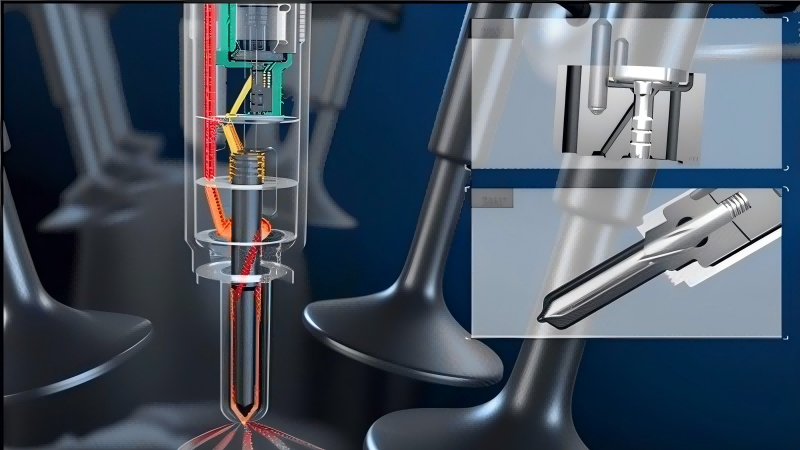
(3) Injector problems are another frequent cause of high exhaust temperature. To begin with, if injector opening pressure is too low—due to a broken or weakened pressure spring, a loose locknut, improper installation, or a stuck-open injector—fuel injection starts too early and ends too late. That extends the overall injection duration, degrades atomization quality, and prevents the fuel from mixing properly with air. Combustion suffers, afterburning becomes severe, components overheat, and exhaust temperature stays elevated.
Worn or enlarged injector nozzle holes further reduce atomization quality, leading to incomplete combustion and, once again, higher exhaust temperatures. Beyond that, poor sealing on the nozzle cone, burnt or cracked nozzle tips, or pinhole defects can cause fuel dribbling—fuel that leaks rather than sprays properly. This significantly prolongs the afterburning period, worsens combustion, and pushes exhaust temperature even higher. During maintenance, engineers can remove the injectors, inspect the nozzles for carbon buildup, and run opening pressure tests, sealing checks, and atomization performance tests. These steps help determine whether the injectors are the real cause behind the high exhaust temperature.
(4) Fuel pump wear can also lead to high exhaust temperatures. When the plunger and barrel assembly wears out excessively, sealing performance drops, injection pressure falls, and atomization suffers. At the same time, the injection advance angle may decrease, further degrading combustion and raising exhaust temperature. Similarly, severe wear between the delivery valve and its seat reduces residual pressure in the high-pressure fuel line and cuts fuel delivery volume, which directly affects atomization and combustion quality. Fuel that enters the combustion chamber as large droplets rather than a fine mist can’t break down and burn completely, which worsens combustion and pushes temperatures higher. In the specific single-cylinder high exhaust temperature case discussed in this article, these fuel-pump-related causes were ruled out after inspection.
II. Intake and Exhaust System Issues
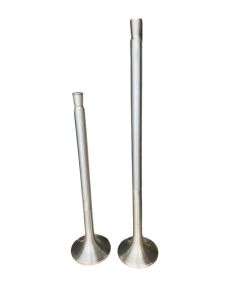
(1) Intake valve problems are another common source of high exhaust temperatures, and they typically show up in two ways. First, excessive wear on the top of the intake valve stem increases valve clearance, which throws off the valve timing. The intake valve opens late and closes early, so the cylinder doesn’t get enough fresh air. Compression pressure at the end of the stroke drops, combustion suffers, and exhaust temperature rises. Second, wear on the intake valve sealing cone, erosion of the valve disc, or a valve stuck in the open position all prevent proper closure. Fresh air leaks past the valve, further reducing the air supply to the cylinder, making combustion even less efficient, and driving exhaust temperatures higher. Both types of faults can be diagnosed by checking intake valve clearance and performing a sealing test on the valve disc.
(2)The valve drive mechanism can also cause trouble. Loose rocker arm adjusting screws, excessive wear on the rocker arm-to-valve stem contact surface, bent pushrods, or worn rollers and cams can all increase valve clearance, throwing the timing off. The valve opens late and closes early, the cylinder gets less air, combustion deteriorates, and exhaust temperature rises. Conversely, if the adjusting screws are overtightened, valve clearance becomes too small. Under high-temperature operating conditions, the valve may not close fully, leading to leakage and accelerated disc erosion. This also reduces air intake and causes poor combustion, again resulting in high exhaust temperatures. These faults can be identified by measuring intake and exhaust valve clearances.
(3) Exhaust valve faults are another potential cause. If the exhaust valve disc becomes burned or develops holes, if the valve sticks in the open position, or if the sealing surface has pitting or dents that compromise the seal, fresh air will escape through the exhaust valve. That reduces cylinder air intake, lowers compression pressure, and leaves fuel poorly burned. Combustion conditions decline, and exhaust temperature rises as a result. This type of fault can be diagnosed by checking the exhaust valve disc seal and verifying that the valve moves freely.
III. Recommended Troubleshooting and Corrective Actions
When the fault occurred, the engineering team went to the site and carried out a thoroug toh inspection of the marine diesel generator. They started the standby unit, completed the parallel operation, and then took the faulty generator offline. After finishing the fuel changeover procedure, they shut down the engine for dedicated maintenance work.
At the beginning of the maintenance process, they confirmed that the throttle lever was in its normal position. The cylinder head injector assemblies were then removed, and each injector was individually tested for opening pressure, atomization performance, and sealing integrity on the mating surfaces. The test results showed that all injectors had opening pressures slightly below the specified value. They were adjusted to the standard pressure and reinstalled.
Next, the high-pressure fuel pumps were checked and calibrated for fuel supply timing. After the unit was restarted, however, the high exhaust temperature issue in the affected cylinders persisted. To rule out problems in the exhaust system, they removed the exhaust manifolds from each cylinder for internal inspection. The results showed very little ash accumulation inside the pipes, with no blockages or signs of abnormal wear.
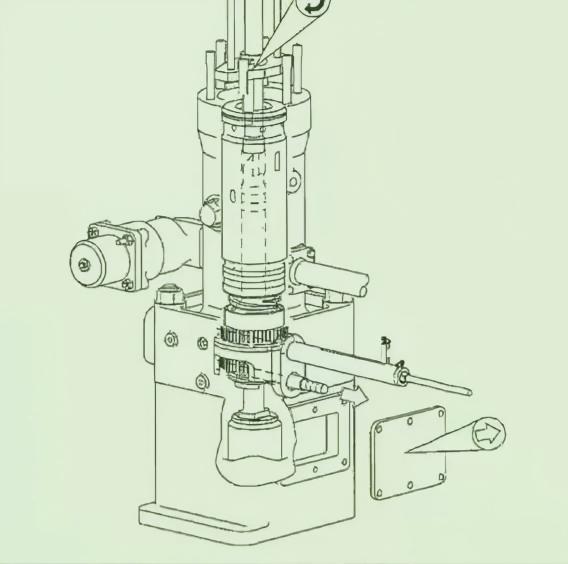
They then performed a barring-over operation and measured the intake and exhaust valve clearances on each cylinder one by one. It turned out that the intake valve clearances on cylinders No. 1 and No. 4 were well outside the normal operating range. Further inspection revealed significant wear on the contact surface between the intake valve stem and the rocker arm, and the valve clearance adjustment screw on the rocker arm was found to be loose.
To fix this problem, they adjusted the intake valve clearances on the two cylinders to the specified value (0.3 mm) and tightened the adjustment screws. At the same time, they replaced the air intake filter screen on the turbocharger. After the unit was brought back online, the exhaust temperatures of all cylinders gradually returned to their normal operating range, and the fault was completely resolved.
For any shipboard mechanical system, regardless of how minor the fault may seem at first, engine room superintendent must analyze the root cause immediately and take decisive corrective action. Ignoring or delaying repairs only increases the risk of escalation into a more serious safety incident. Beyond sharpening their technical skills, marine engineer must also strengthen their equipment safety management mindset. Regular preventive maintenance, careful attention to daily inspections, and a strong sense of accountability are all essential to keeping the vessel safe and reliable at sea.