Geopolitical shocks reshape the aluminum industry landscape
[kadence_subtitle]
Recent attacks on major aluminum producer in the Middle East have caused a serious global supply shortage and pushed aluminum prices arise up increasingly. At the same time, Chinese aluminum production capacity is already at its limit, and export benefits are kicking in—creating real opportunities across the aluminum supply chain.
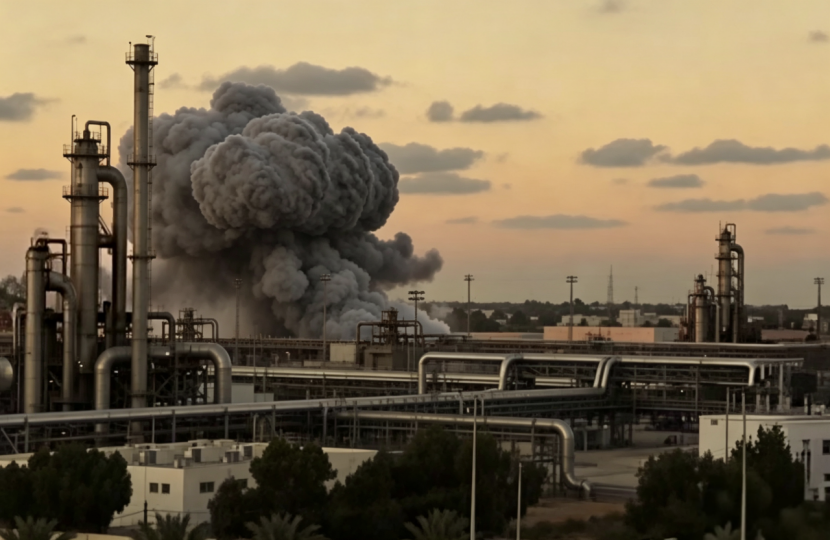
Recently, conflicts in the Middle East have went worse. On March 28, two of the world’s key aluminum producer — Emirates Global Aluminium (EGA) and Aluminium Bahrain (Alba) —were attacked. That triggered a sharp increase in global aluminum prices, resulting in record highs within these years. The global aluminum market has now shifted from a tight balance to a real structural shortage. For following up on aluminum supply chain and better serve on industrial aluminum profile producer and anodizing process customers around the world, we keep a close eye on market moves and work quickly to interpret trends and help our partners seize opportunities.
I. Market Surge: Chinese and international markets both surged, with aluminum prices hitting a
five-year record high.
As of April 14, the main Shanghai aluminum futures contract held steady at 24,700 yuan/ton, and the average spot price of Mysteel A00 aluminum ingots exceeded 24,500 yuan/ton—the highest in nearly five years. On April 13, LME aluminum futures hit a high of $3,608.5/ton during trading, the highest level since March 2022. By the close on April 17, the main Shanghai aluminum futures contract had topped 25,500 yuan/ton, up 0.71% from the previous day, showing strong upward momentum.
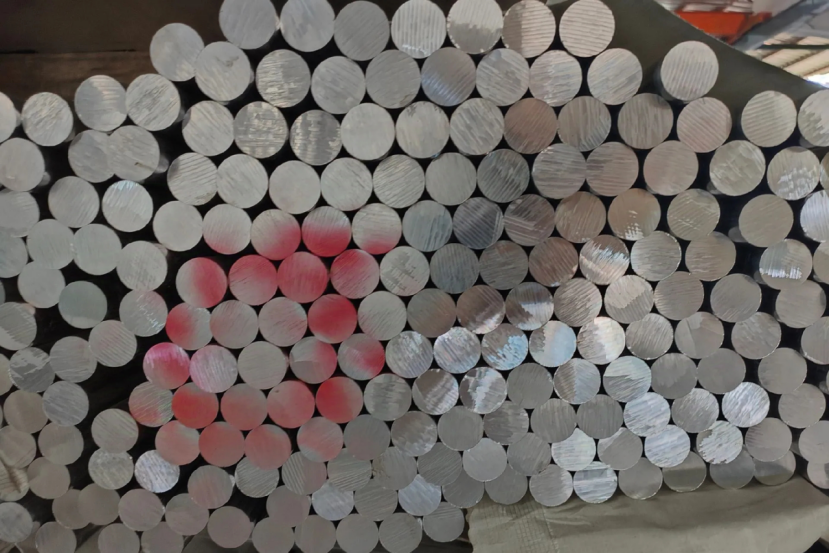
The direct trigger for this price surge was the physical attacks on two major electrolytic aluminum plants in the Middle East, which caused irreversible damage to supply.
II. Supply-side weakness: Widespread production shutdowns in the Middle East lead to a record-breaking global supply gap.
Emirates Global Aluminium (EGA) and Aluminium Bahrain (Alba) together account for more than 4% of global aluminum production. Add in Aluminium Bahrain’s earlier voluntary shutdown of 308,400 tons of capacity, and over 30% of the Middle East’s aluminum production is now offline. Since electrolytic aluminum producer were physically damaged and had to shut down hard, production recovery will take 6 to 12 months—maybe even longer. This isn’t just a short-term shock; it’s a long-term, results in rigid shortage.
Several major institutions have made their forecasts: Goldman Sachs expects a global aluminum supply deficit of about 900,000 tons in Q2 2026, which could hit 2 million tons in a worst-case scenario. JPMorgan predicts a full-year deficit of 1.9 million tons for primary aluminum—the largest since 2000. Wood Mackenzie says the full-year global aluminum supply gap could be as high as 4 million tons. Meanwhile, LME aluminum inventories have dropped to 397,100 tons, the lowest in 20 years, and global inventory only covers about 45 days of use—basically no buffer left.
III. Chinese Support: Production Capacity Rigidly Capped, Supply Has No upward Inelasticity
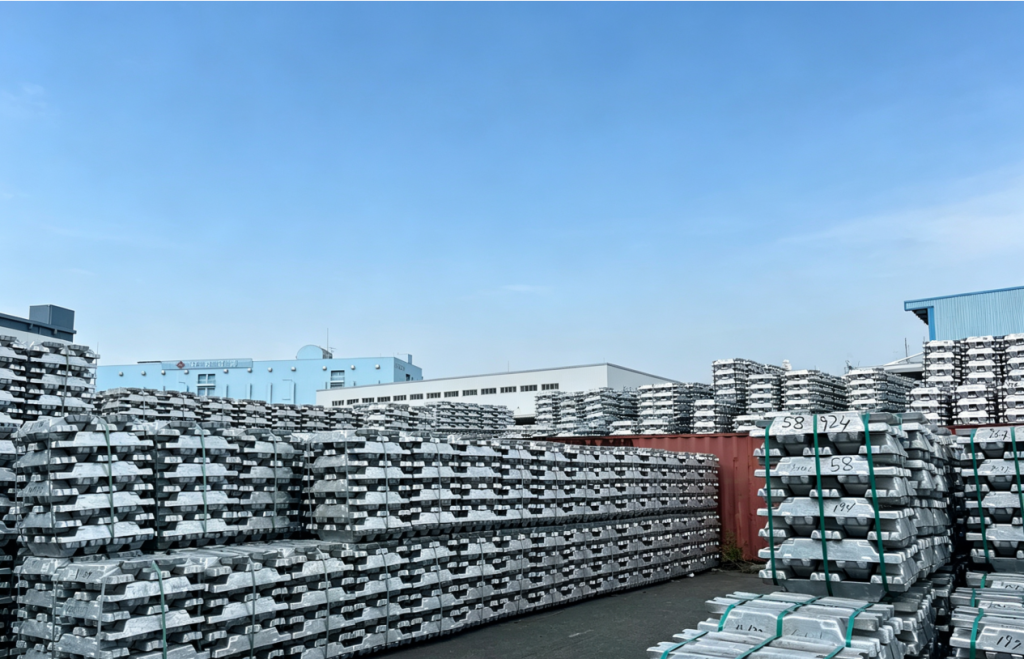
The Chinese electrolytic aluminum operates under strict capacity limits, which provides solid support for aluminum prices. Since 2018, the national annual capacity has been capped at about 45 million tons. As of mid-April, operating capacity stood at 45.0043 million tons, with utilization above 98%—nearly full production. Capacity replacement has to meet tough environmental and energy standards, leaving very little room for net growth this year. No upward elasticity on the supply side.
IV. Industry Absorption: Upstream Performance Surges, Downstream Faces Pressure, and Exports Emerge as the Core
With aluminum prices soaring and global supply extremely shortage, Chinese aluminum companies have seen explosive growth in their financial results, and profits are moving further upstream. Chinalco expects Q1 net profit attributable in the range of RMB 5.302 billion to RMB 5.585 billion—up 50% to 58% year on year. Henan Shenhuo Coal Shares reported Q1 net profit of RMB 2.29 billion, up 223.28%. Tianshan Aluminum forecasts Q1 net profit of RMB 2.2 billion, up 107.92%. Mingtai Aluminum expects Q1 net profit to rise 48% to 59%, driven by a big surge in overseas orders.
At the same time, downstream factories are seeing their margins squeezed hard. Primary aluminum accounts for over 70% of total processing costs. For every 1,000 yuan/ton increase in aluminum prices, the per-ton profit on aluminum profiles drops by about 700 yuan. Small and mid-sized factories are running at low utilization, and the Matthew effect is getting stronger across the industry.
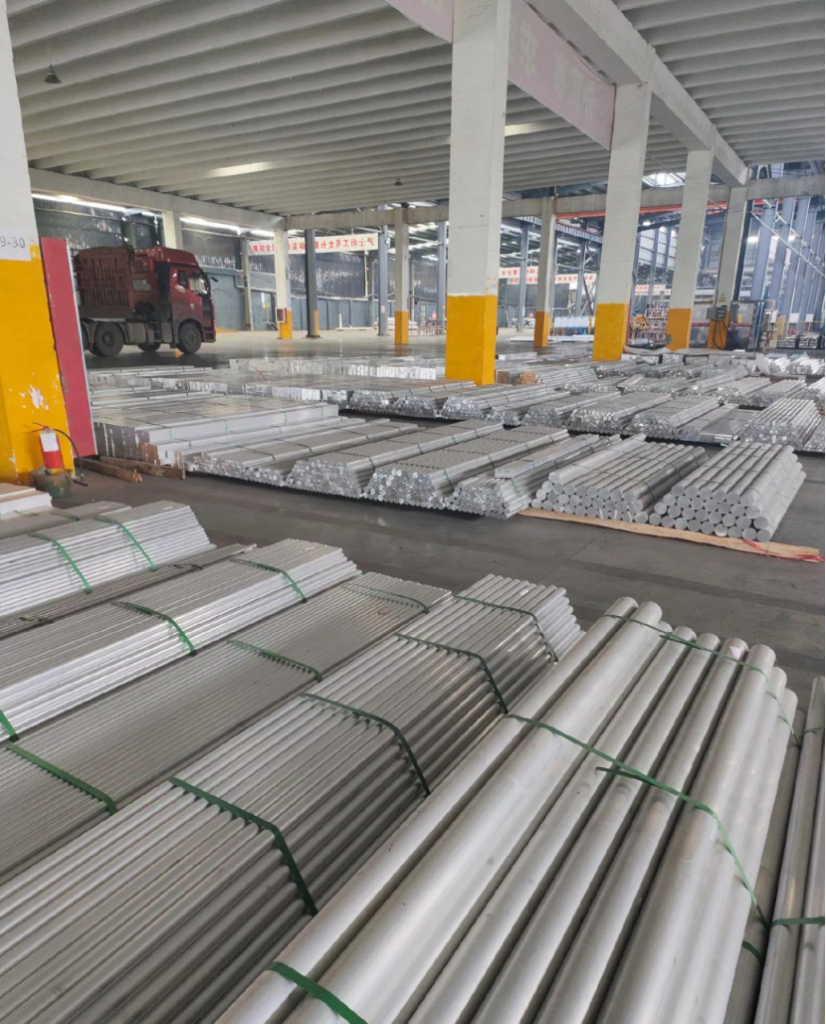
As the world’s largest producer of electrolytic aluminum, China accounts for nearly 60% of global output and has become a key alternative supplier for overseas markets. Export benefits are continuing to grow. Customs data shows that in Q1 of this year, Chinese aluminum exports reached 1.456 million tons, up 6.5% year on year
—reversing the decline from the same period last year. Differences in tariff rates have opened up export profit windows: aluminum rods (HS code 7604) and aluminum stranded wire (HS code 7614) have a 0% export tax and qualify for a 13% export rebate. A new arbitrage model—”China exports aluminum products, then overseas customers remelt them into ingots”—is growing fast.
V. Market Outlook: High-level operation becomes the normal status, with geopolitics and supply as the core of pricing
The agents commonly views that the attack on key aluminum producers in the Middle East has resulted in a severe global supply deficit, driving aluminum prices to sustained highs. Amidst rigid constraints on Chinese production capacity—compounded by export—the aluminum industry supply chain is presenting overall capitalize on significant structural opportunities.
To break out of the current range, two signals will be key: first, a sustained decline in Chinese social inventory; second, stronger-than-expected export numbers for semi-finished products like aluminum rods and stranded wire. Macro factors have taken a back seat. Geopolitics and the speed of global supply recovery are now the only real drivers of aluminum prices.
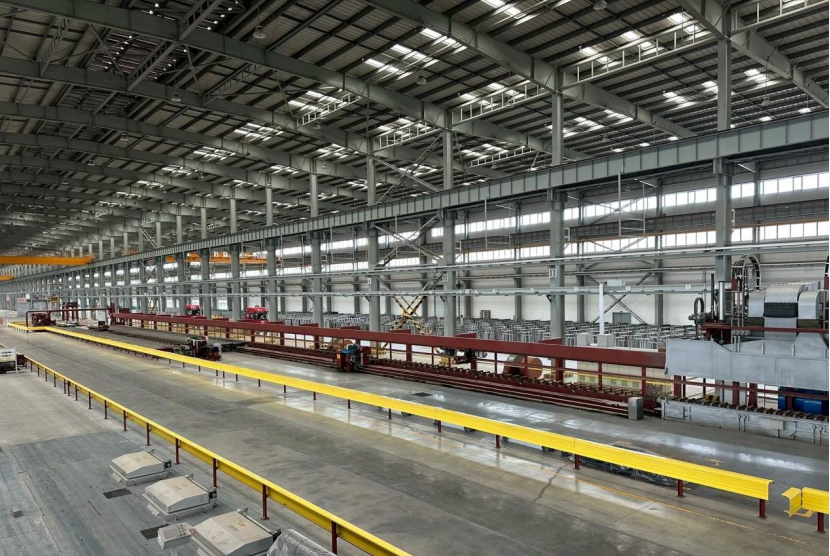
The Middle East accounts for about 9% of global aluminum market share, and its capacity cuts will continue to benefit Chinese aluminum producers. As the global aluminum landscape gets reshaped, China’s aluminum supply chain—with its stable supply, cost advantages, and export benefits—is well positioned to seize these structural opportunities and gain a stronger foothold globally.