
Gas Engine Manufacturers Overview
[kadence_subtitle]
Based on market influence, technological strength, and market share, Gas engine manufacturers can be divided into three tiers, here they are:
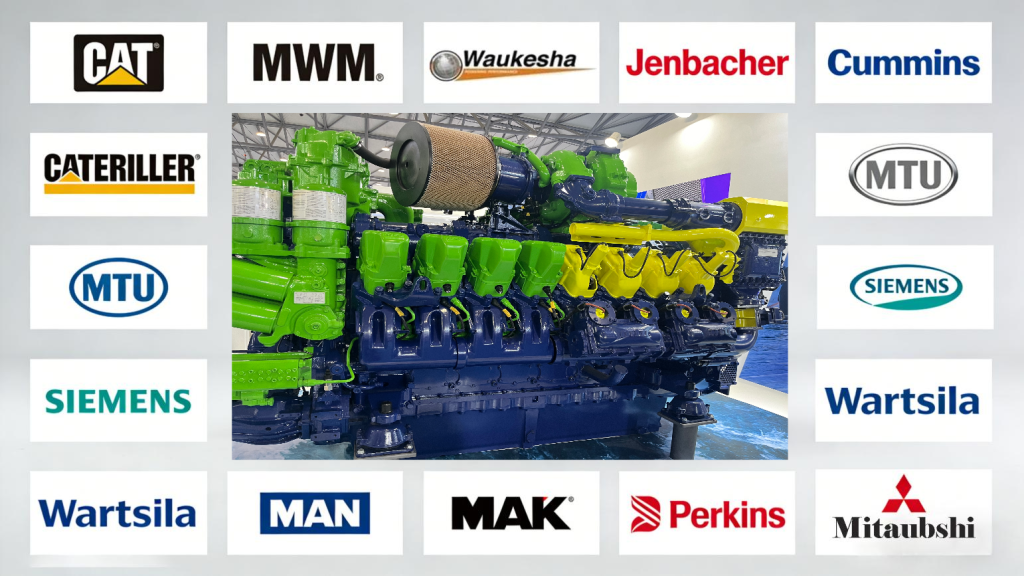
Key Leading Manufacturers: Caterpillar, Jenbacher, Mannheim
Key Participating Manufacturers: Cummins, MTU, Siemens
Market Participating Manufacturers: Wärtsilä, MAN, MAK, Perkins, Mitsubishi, Hyundai, Waukesha
Now let’s go through each one step by step and see their unique characteristics and overall strengths.
Caterpillar
Caterpillar is an American brand that began in 1890 with agricultural machinery and was officially established in 1925. Its main products include various types of construction machinery, mining machinery, plus power equipment like engines and turbines. Gas engines? That’s just a small slice of their pie.
The founder came up with the track and put it on farm machines. Since those tracks moved like a caterpillar crawling through a field, the company got the name Caterpillar. Their gas engines started out as diesels, first used in really harsh places like oil fields. That’s where their personality came from: tough, reliable, not picky about where they run, but efficiency isn’t great. The G3516 and G3520 are the go-to examples. Cummins and Waukesha follow a similar design approach, which will be discussed in detail later.
In the power equipment sector, Caterpillar has made several acquisitions over the years, including Perkins (small diesel and gas engines), MWM (mid-range gas engines), MAK (high-power heavy fuel, diesel, and gas engines), and Solar Turbine (small gas turbines). The one most relevant to our discussion is MWM, which we’ll cover in more detail in the MWM section.
Jenbacher
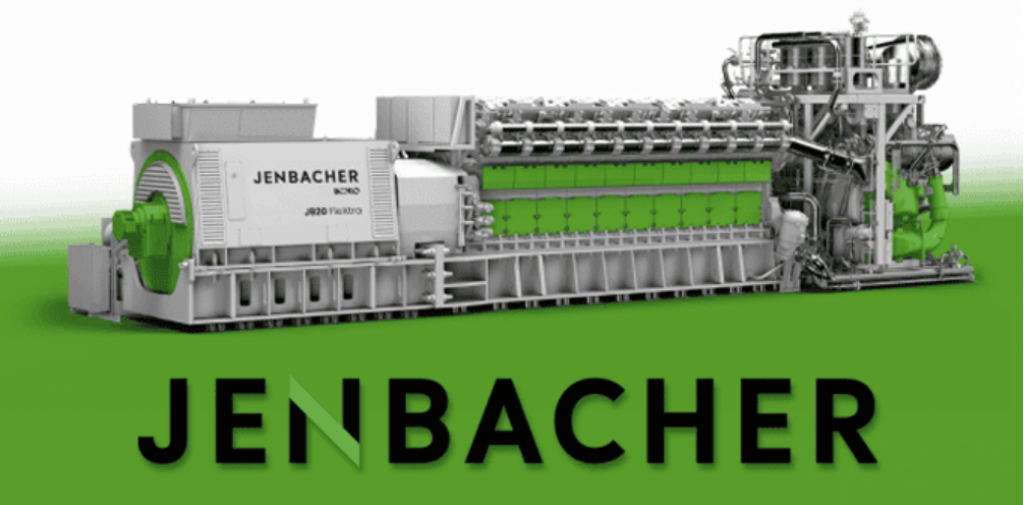
Jenbacher has a wide product line. Their big selling points are high efficiency and wide applicability. They’ve got series 2, 3, 4, 6, and 9. The 2 series is just the J208, but you almost never see it because it’s not great value. The 9 series J920 is their newest product, with a single-unit output of 10MW and fairly high efficiency, but its large capacity makes it less suitable for the distributed gas market—similar to Wärtsilä and MAN, which we’ll discuss later. The 3, 4, and 6 series are their main offerings.
MWM

MWM products are known for their reliability. The brand was founded in 1922 by Karl Benz himself—so its strength goes without saying. But beyond that, MWM’s history is full of fascinating stories.
Over nearly a century, MWM has gone through multiple acquisitions and restructurings. In 1985, it was acquired by Deutz. In 2007, Deutz was acquired by an investment firm called 3i, which then spun off its diesel and gas turbine businesses. In 2011, MWM’s gas turbine business was acquired by Caterpillar. After being integrated into Caterpillar and several years of consolidation, MWM has gradually become part of the Caterpillar system in most parts of the world, and its original brand identity has faded. In China, however, MWM still maintains a relatively independent brand image, even though its products have been fully integrated into Caterpillar’s overall system.
MWM’s main product lines are the TCG3016, TCG2020, and TCG2032. The TCG3016 is an upgrade of the earlier 2016 series, which has since been discontinued. Given their completely overlapping power ranges and highly similar naming conventions, it’s clear that this series is essentially the same as Caterpillar’s CG series.
Cummins
Cummins is an American brand founded in 1919, producing both diesel and gas engines. Its performance in the distributed gas energy sector is mediocre, but it is an absolute leader in vehicle power systems.
Although its gas engines are less efficient than competitors like MWM and Jenbacher in terms of power generation, their island load-carrying capacity is excellent. Unfortunately, this advantage is suppressed by the dominance of strong platforms like the State Grid. Technically, they use the same integrated gear water pump design as Caterpillar’s G series, which offers low self-consumption, strong black start capability, and easy installation—but it also lowers the published efficiency numbers. Since customers typically only look at surface-level specs, Cummins often gets ruled out early for being “inefficient,” which is a case of its real strengths being misunderstood.
MTU
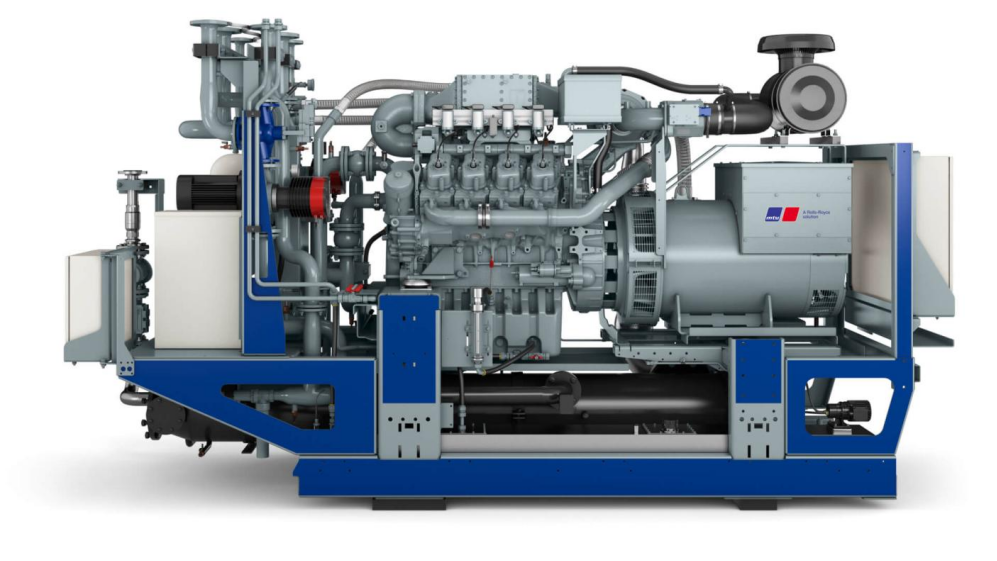
Founded in 1909, the MTU brand has historically been part of the Daimler, Maybach, and Rolls-Royce groups , giving it a strong high-end industrial heritage. Leveraging its deep technological foundation, MTU has built a diverse product line that includes not only its aero engine business (MTU Aero Engines) but also both diesel and gas engine divisions.
MTU’s diesel engines are known for excellent performance and are widely used in vehicle propulsion, naval vessels, and military equipment, maintaining a leading position in the industry. Building on this solid foundation, MTU’s gas engines are also high-quality, with efficiency and fuel economy as their core advantages. Many of their products achieve top-tier performance in their class, and their power-to-weight ratio is particularly impressive.
Siemens
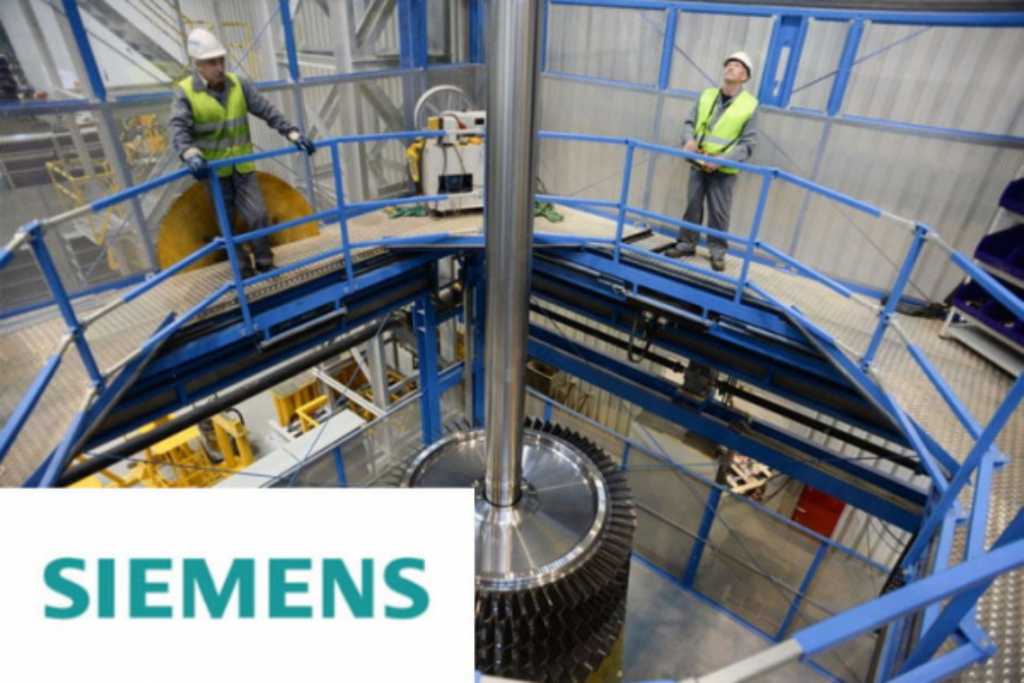
Siemens’ gas internal combustion engine products actually trace their core technology and brand back to Guascor, a Spanish company. Founded in 1966, Guascor was acquired by Dresser Rand in 2011. When Dresser Rand was then acquired by Siemens in 2014, Guascor became a sub-brand under Siemens.
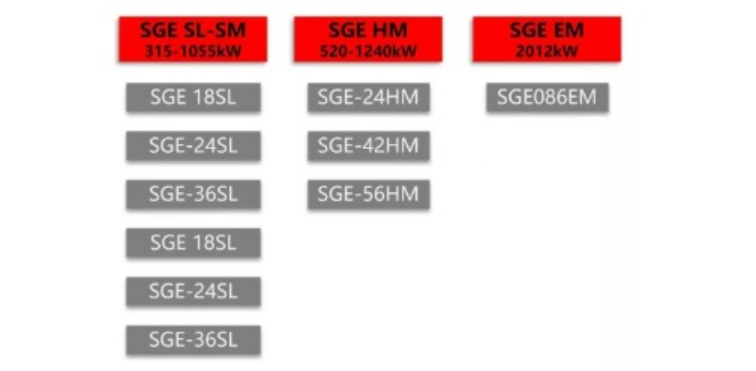
Siemens’ products are divided into three series: SL-SM, HM, and the newly launched 2MW-class EM.
For a long time, Siemens (Guascor) products have existed almost exclusively in industry rumors in the Chinese market. This was partly due to the brand’s own lack of attention, and partly due to the limitations of its early agency system, which prevented it from achieving meaningful development in China. In the past two years, Siemens has been re-energizing its efforts and gradually increasing its market presence.
Wartsila、MAN、MAK

Wartsila、MAN、MAK, for these three major brands, the same engine model typically comes in heavy fuel, gas, and dual-fuel versions. Due to domestic environmental regulations, however, heavy fuel has been banned, so their heavy fuel and dual-fuel models are currently only used in marine applications and overseas markets.
What these three companies have in common is their focus on large generator sets. Whether it’s heavy fuel, diesel, or gas, units under 5MW are not their primary target—10MW is where they start, and they can go up to over 20MW. Clearly, they are not suited for distributed gas power generation. MAN does also produce smaller engines in the hundreds of kilowatts range, but these are mainly used in vehicle manufacturing and drivetrain systems, and are rarely seen in power generation applications.
Perkins

Perkins, Leveraging the group’s strong technology system and supply chain advantages, its brand positioning and product portfolio have become clearer. Its core business has long focused on diesel engines, deeply cultivating various OEM markets. With stable and reliable power output, standardized interface design, and flexible adaptability, it provides customized diesel power solutions for construction machinery, generator sets, agricultural equipment, ships, and special equipment. Perkins has deep industry experience and a broad market application base in the OEM market.
Liebherr
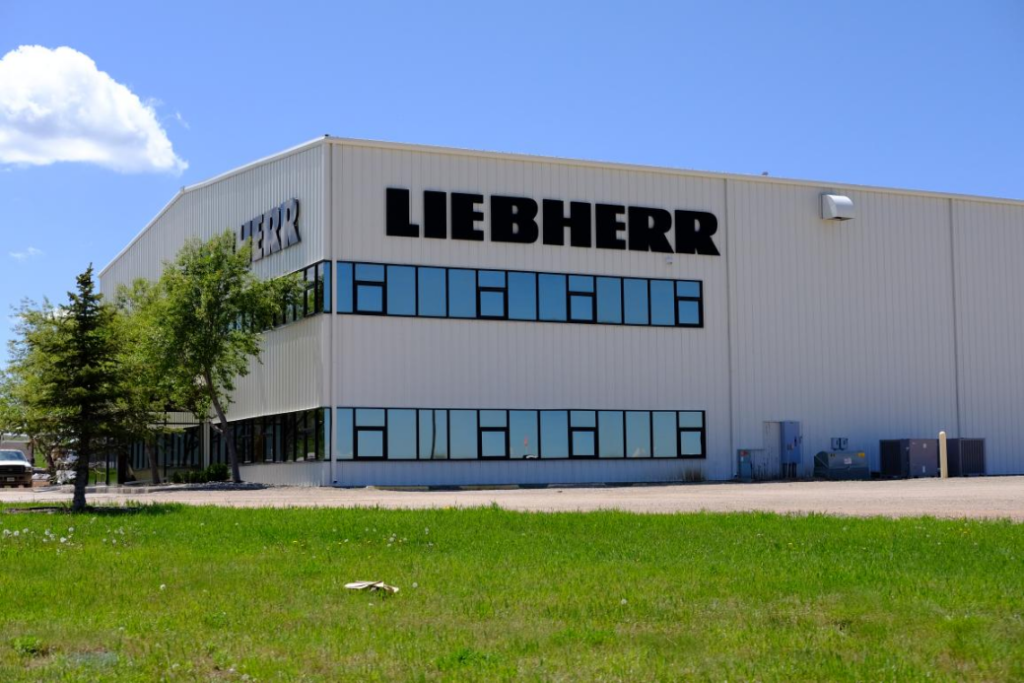
Liebherr is a well-known German equipment manufacturer founded in 1949, with a broad business portfolio covering home appliances, construction machinery, and power equipment. This year, the brand launched a 1MW-class gas internal combustion engine, which is currently its only power product introduced to the Chinese market. At this stage, the engine is only supplied to OEM equipment manufacturers and is not sold directly to end users as finished generator sets.
Mitsubishi
As a global leader in gas turbines, Mitsubishi Heavy Industries possesses deep technical expertise and industry influence. However, its performance in the internal combustion engine field—specifically gas engines—is relatively mediocre.
Its gas engine series covers a power range from 300kW to 5,700kW, offering a fairly comprehensive portfolio. However, the smaller models suffer from low thermal efficiency and insufficient operational stability. The larger models are medium-speed engines operating at 750 rpm, which struggle to meet the application requirements of natural gas distributed energy projects in terms of operational adaptability.
Waukesha
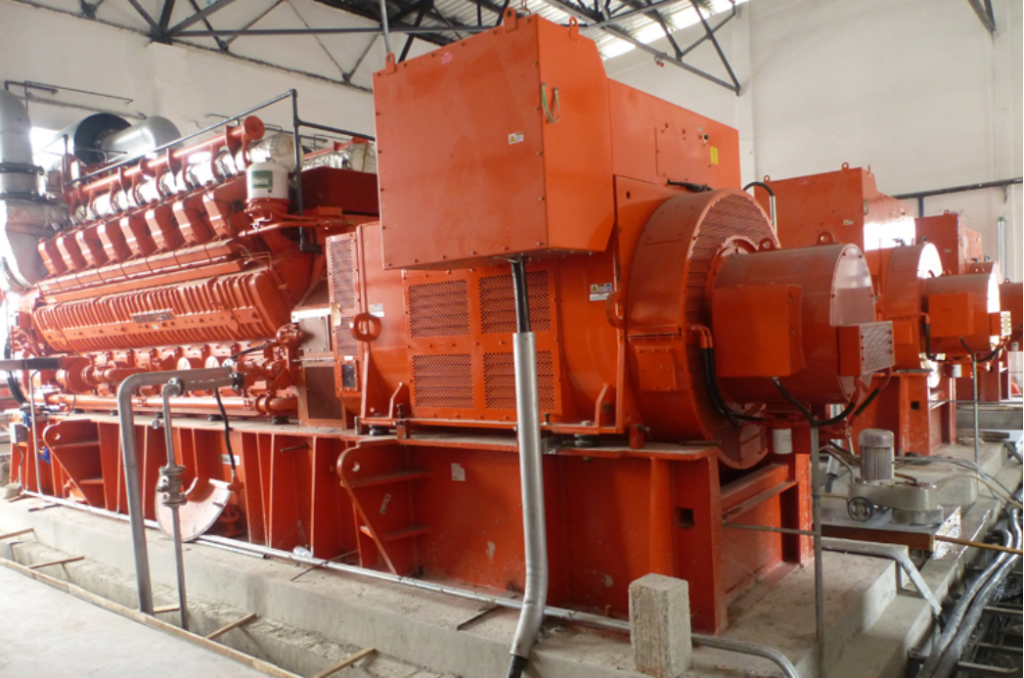
Waukesha shares the same lineage as Jenbacher, having gone through multiple mergers and acquisitions and changed hands several times within the industry. Its gas engines cover a power range from 100kW to nearly 2MW, offering a relatively complete product line. However, it is rarely used in China’s natural gas distributed energy sector. The reason lies in Waukesha’s product positioning and strategic focus, which are not concentrated on this market.
The brand continues its design philosophy of ruggedness and durability, adapted for extreme operating conditions. While its products are not particularly outstanding in thermal efficiency, their excellent reliability and environmental adaptability have kept them active in harsh environments like oil fields—where conventional equipment struggles to operate stably. This puts them in direct competition with Caterpillar, which is also known for its ruggedness and durability, in the same market segments.
The above is my personal analysis and opinions on these brands. It’s just for industry discussion—not an official conclusion.