
Unlocking the Secrets of Aluminum Alloy: Passivation, Oxidation, and Electroplating
[kadence_subtitle]
Aluminum is widely celebrated for its low density, high strength-to-weight ratio (surpassing iron), excellent corrosion resistance, high electrical and thermal conductivity, great weldability, and superb plasticity. It is easy to process and naturally offers an attractive finish. By adding alloying elements to pure aluminum, we get aluminum alloy, which boasts even better physical and mechanical properties. Because aluminum is a relatively active metal, it spontaneously forms an extremely thin, amorphous oxide film when exposed to air, giving it decent atmospheric corrosion resistance. However, this natural layer is only about 4 nm thick, structurally loose, porous, low in hardness, and offers poor wear resistance and mechanical strength. To truly protect the metal, manufacturers must artificially apply a protective coating. The most common aluminum alloy surface treatments include passivation liquid dipping, oxidation, electroplating, and external coating.
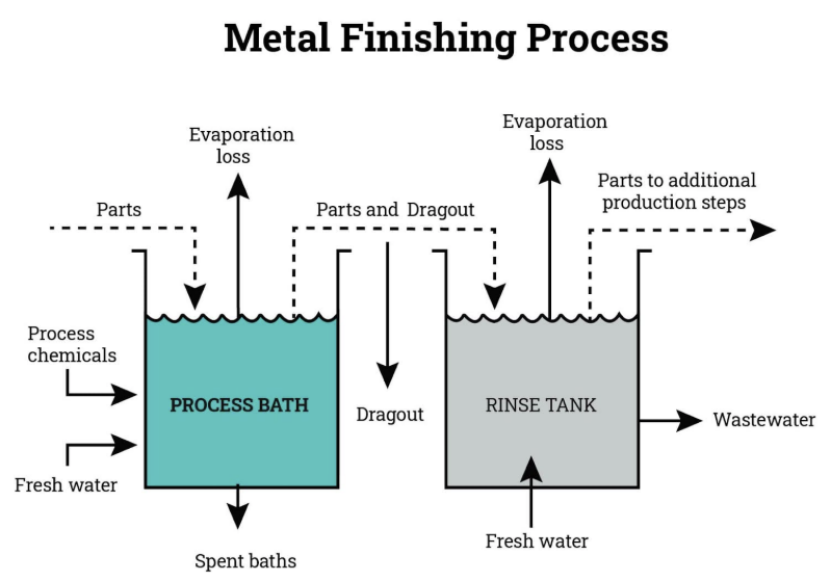
Aluminum Passivation Treatment
Aluminum passivation is a universal solution suitable for anti-oxidation and corrosion prevention across all types of aluminum and aluminum alloys. Extensive testing shows that after passivation, the anti-oxidation performance of aluminum and its alloys can increase by 5 to 10 times or more. Best of all, this process absolutely will not alter the material
’
s appearance, color, dimensions, or any subsequent post-processing performance. The operation itself is incredibly simple: it requires a quick 3-minute dip, with no specialized equipment or complex facilities needed. Currently, this is one of the most efficient and practical methods for aluminum surface anti-oxidation.
Aluminum Profile Precision Processing
Oxidation Treatment: Oxidation treatments mainly include anodic oxidation, chemical oxidation, and micro-arc oxidation. Through detailed SEM (Scanning Electron Microscopy) analysis, wear tests, and corrosion experiments comparing these three methods, researchers have analyzed surface morphology, oxide film thickness, wear resistance, and corrosion protection. While each process yields different oxide film thicknesses, they all significantly boost surface hardness, wear resistance, and corrosion protection. However, the overall process is notably more complex than simple passivation.
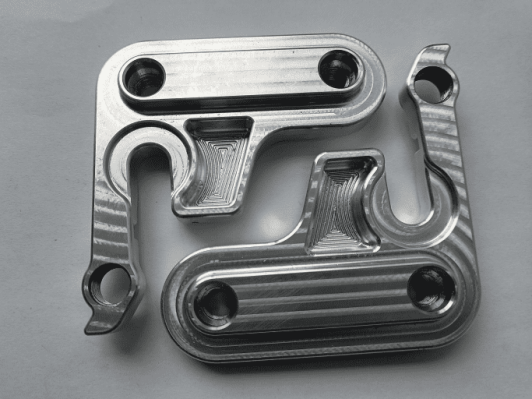
Electroplating and Electroless Plating
Electroplating uses chemical or electrochemical methods to deposit a layer of another metal onto the aluminum surface, altering its physical or chemical properties. For instance, gold or silver plating on electronic components enhances surface electrical conductivity, while copper, nickel, or tin plating improves the weldability of the alloy. In contrast, electroless plating is a much lower-pollution alternative, and the resulting Ni-P (Nickel-Phosphorus) alloy serves as an excellent chromium coating substitute. However, electroless plating requires substantial equipment, consumes more materials, takes longer, involves tedious steps, and makes quality control harder to guarantee.
Comparison and Analysis
Corrosion Resistance: Passivation and oxidation treatments both significantly improve the corrosion resistance of aluminum alloys by forming a dense oxide film to block corrosive media. Electroplating protects the substrate by depositing a corrosion-resistant metal layer.
Wear Resistance: Oxidation treatment and electroplating both increase surface hardness and wear resistance, making aluminum alloys more durable against friction and wear. Although passivation primarily focuses on corrosion resistance, it can also improve wear resistance to a certain extent.
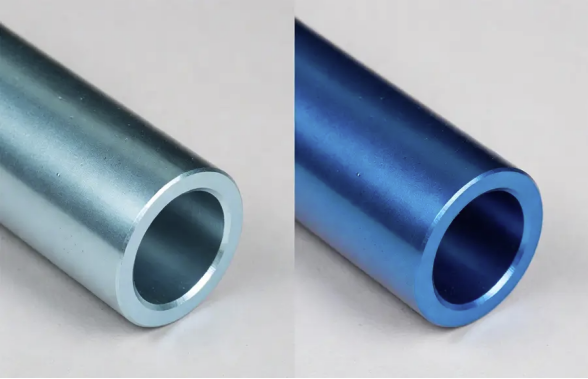
Aesthetics: Electroplating can provide various visual finishes to meet decorative demands. Oxidation treatment can also achieve certain visual effects by controlling the thickness and color of the oxide film. Passivation mainly focuses on functional enhancement, having minimal impact on appearance.
Process Complexity: The electroplating process is relatively complex and requires controlling multiple parameters to ensure the quality and performance of the coating. Passivation and oxidation treatments are relatively simple but still require strict control of process parameters to obtain high-quality films.