Common faults and solutions for marine engines
2026-01-12
1.Engine Oil Consumption (Excessive Oil Consumption)
Causes:
- Worn or scored cylinder liners and piston rings, resulting in poor sealing.
- Aging valve stem seals or worn valve guides, allowing oil to enter the combustion chamber.
- Excessive lubricating oil pressure, leading to poor oil-gas separation.
- Using unsuitable or low-quality engine oil.
Solutions:
- Inspect and replace worn piston rings and cylinder liners.
- Replace valve stem seals or repair valve guides.
- Inspect the crankcase ventilation system.
- Use qualified lubricating oil and maintain the correct oil level.
2.Engine Overheating
Causes:
- Coolant pump failure or belt slippage.
- Coolant passage blockage or severe scale buildup.
- Scale buildup or blockage in the cylinder liner water chamber or seawater piping.
- Damaged cylinder head gasket, allowing gas to enter the water jacket.
Solutions:
- Check the coolant pump and belt tension.
- Clean the coolant passage and heat exchanger.
- Regularly remove scale and use qualified coolant.
- Inspect and replace the cylinder head gasket.
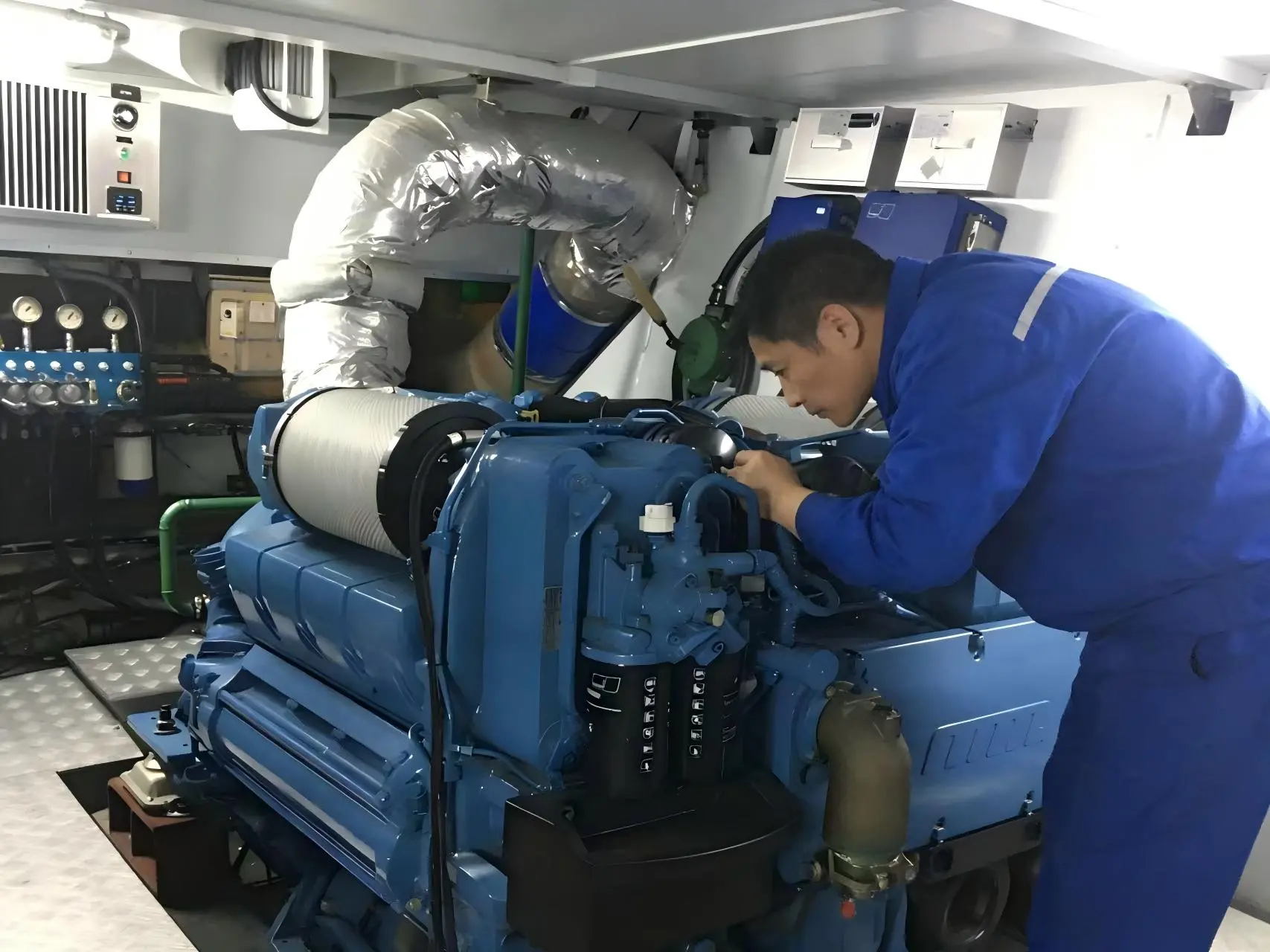
3.Difficulty Starting the Engine
Causes:
- Insufficient starting air pressure (valve leak, low gas cylinder pressure).
Inadequate fuel supply (injection pump malfunction, line blockage, low fuel pressure).
- Insufficient air intake (clogged air filter, intake valve malfunction).
- Insufficient compression pressure (cylinder wear, stuck piston rings).
Solutions:
- Inspect the starting air system and repair any leaks.
- Inspect the fuel system, bleed the air, and clean the fuel filter.
- Replace or clean the air filter.
- Measure the compression pressure; replace piston rings or cylinder liners if necessary.
4.Insufficient Engine Power
Causes:
- Injector wear or poor atomization.
- Insufficient fuel pressure or uneven fuel supply.
- Intake and exhaust system blockage (turbocharger carbon buildup, clogged air filter).
- Low cylinder pressure.
Solutions:
- Inspect or replace the injectors.
- Adjust the injection pump and check for leaks in the lines.
- Clean the turbocharger, air filter, and exhaust lines.
- Inspect worn cylinder components.
5.Black smoke from exhaust
Causes:
- Excessive fuel supply, incomplete combustion.
- Insufficient air (turbo malfunction, intake blockage).
- Poor fuel injector spray.
Solutions:
- Adjust the fuel injection pump to correct the fuel supply.
- Check the turbocharger's operation and clean carbon deposits.
- Replace or repair the fuel injectors.
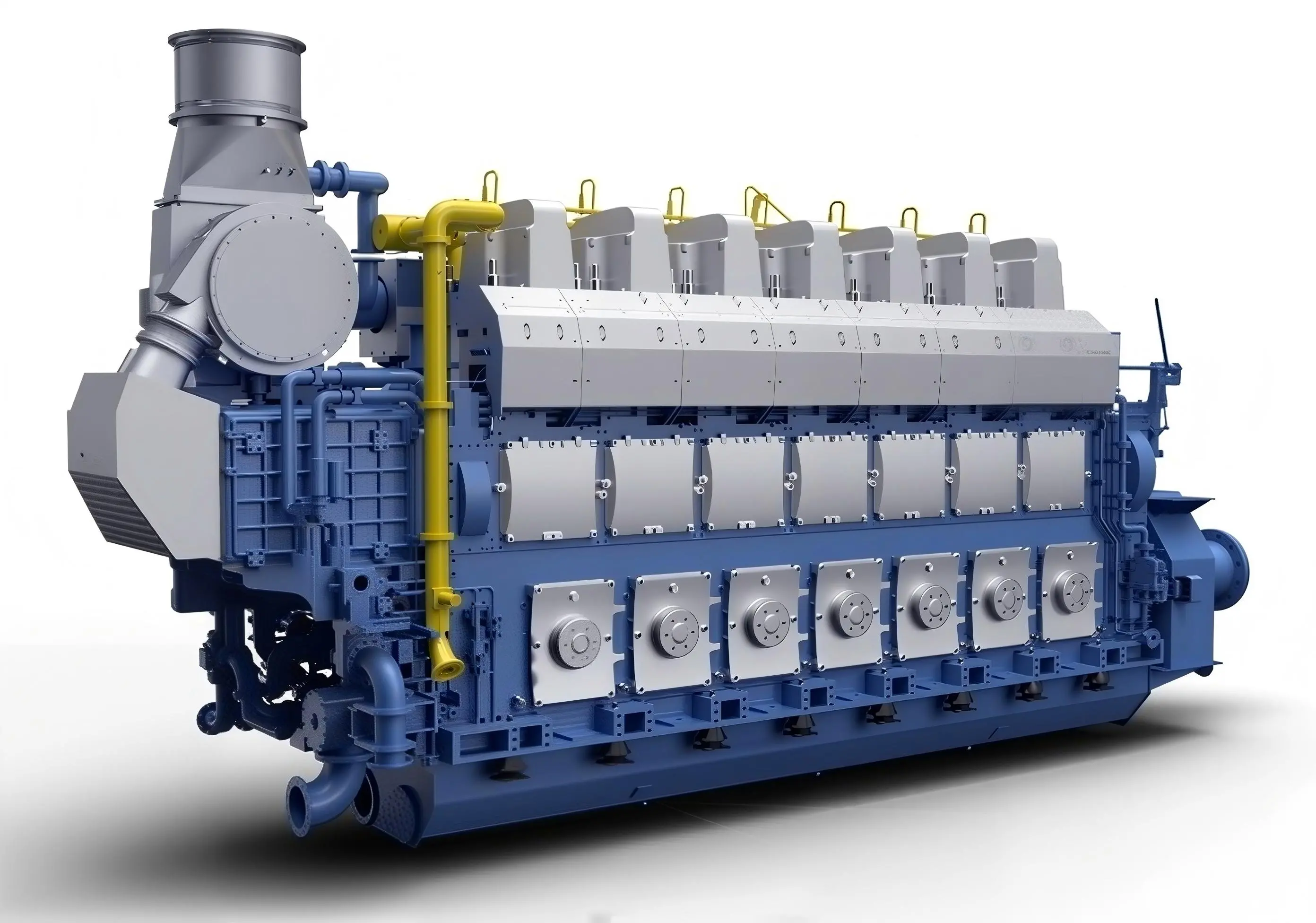
6.White smoke from the exhaust
Potential causes:
- Water in the fuel.
- Injection timing is too late.
- Poor fuelatomization at low temperatures, resulting in incomplete combustion.
- Damaged cylinder head gasket, allowing coolant to enter the cylinder.
Solutions:
- Drain the water-containing fuel and clean the fuel-water separator.
- Check and adjust the injection timing.
- Improve cold start preheating measures.
- Check and replace the cylinder head gasket.
7.Blue smoke from the exhaust
Causes:
- Excessive engine oil entering the combustion chamber (piston rings, valve stem seals worn).
- Poor quality lubricating oil with high volatility.
Solutions:
- Replace worn parts.
- Use standard-compliant engine oil.
- Inspect and adjust the crankcase ventilation system.
8.Engine Vibration or Abnormal Noise
Causes:
- Crankshaft and connecting rod bearings are worn or have excessive clearance.
- Uneven fuel injection pump supply.
- Flywheel and coupling are unbalanced.
Solutions:
- Check bearing clearance and replace if necessary.
- Calibrate the fuel injection pump to ensure even fuel supply to all cylinders.
- Perform dynamic balancing of the flywheel and coupling.
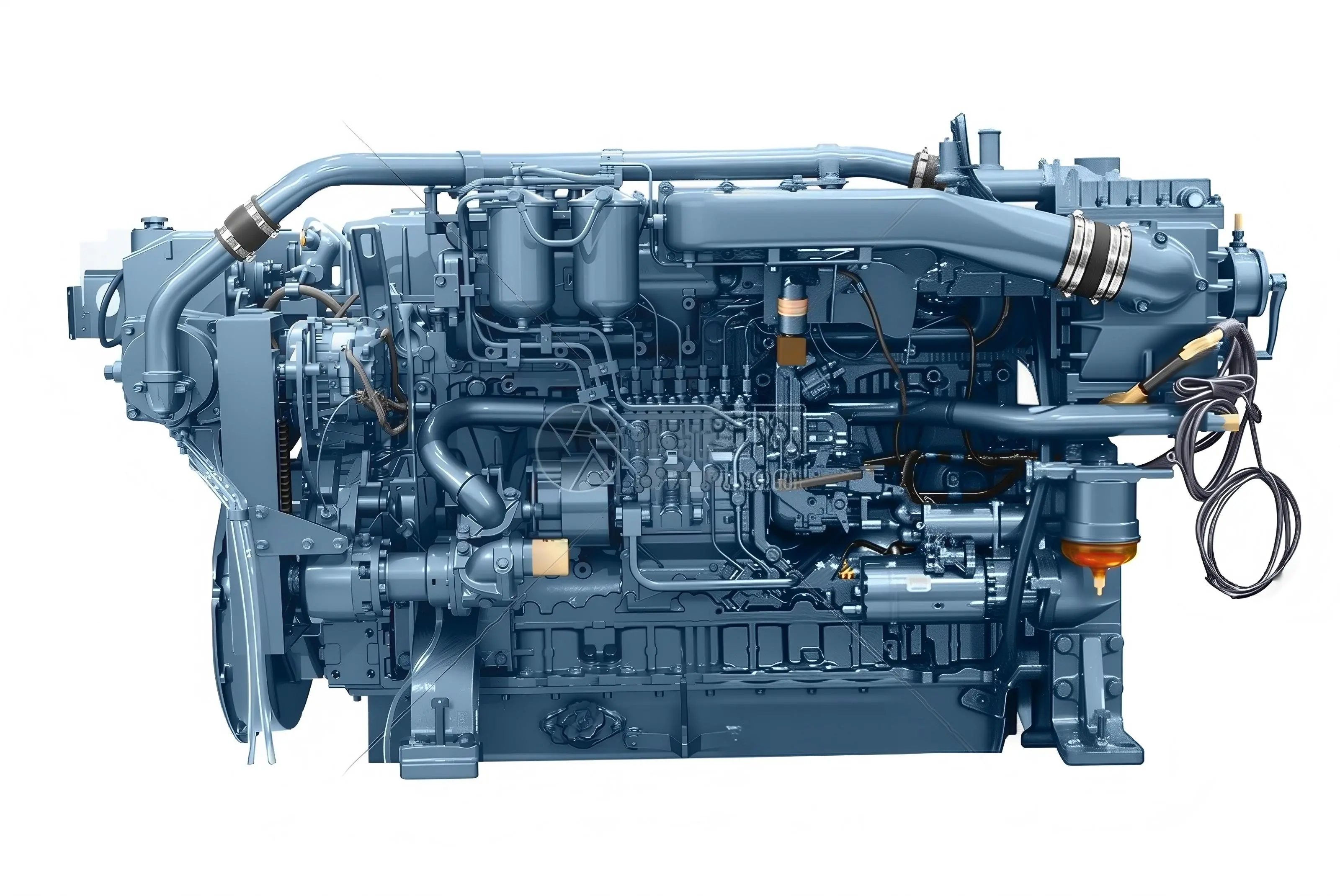
In summary, most marine engine failures are concentrated in the fuel system, lubrication system, cooling system, intake and exhaust system, and mechanical wear.
Key preventative measures include:
- Regular maintenance (oil changes, filter cleaning, coolant checks).
- Operational monitoring (oil pressure, water temperature, exhaust temperature, vibration).
- Early detection and intervention to prevent minor problems from escalating into major accidents.